We just launched our European Tour. 18 months. 18 cities. One journey at the heart of Europe’s future.
Europe’s future cannot be imagined from a single capital, conference room or corner of the continent. It must be built by bringing together the experiences, ambitions and anxieties of Europeans living in very different places. That is why we are taking the conversation on the road.
The European Tour has begun. We started in Alpbach (Austria) and Bled (Slovenia) on a journey that will take us across Europe. A journey of 18 months and 18 cities and one shared ambition: to build Europe’s future around new ideas..
The conversations we begin in one city will continue in the next. Each stop will bring new people, perspectives and ideas into the debate, turning individual encounters into collective momentum. We will ask difficult questions, challenge assumptions and test ideas. Together these conversations will take us to the heart of the matter: what future do we imagine for Europe?
And we are traveling with company. The European Tour is powered by a growing community of young people, policymakers, activists, journalists, business leaders, researchers and everyone who cares about Europe’s future.
The European Tour is underway, be part of it.
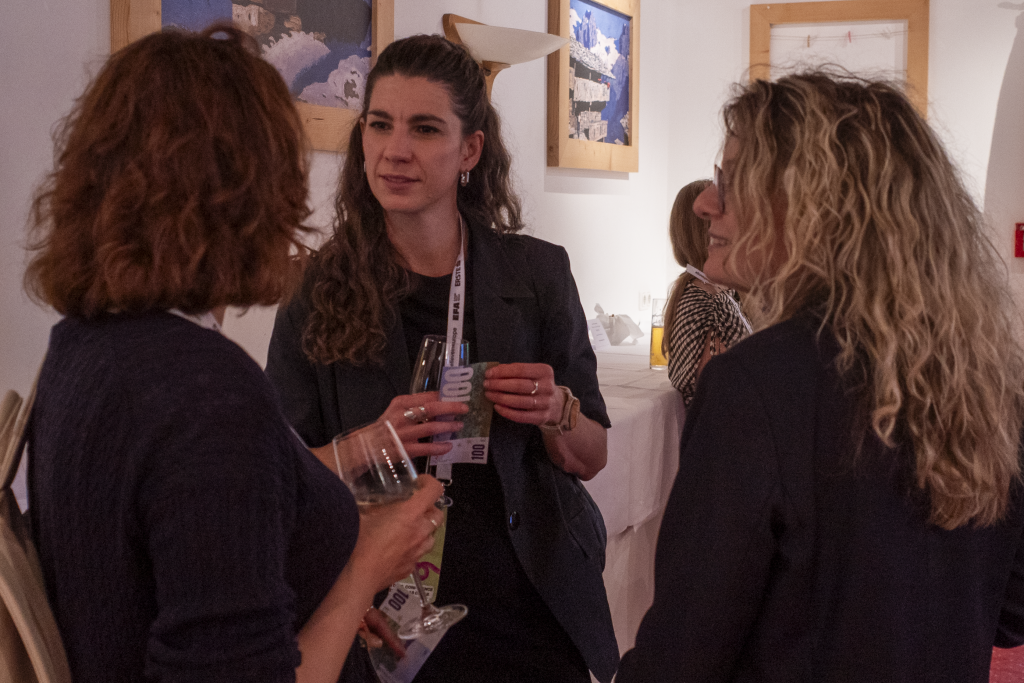
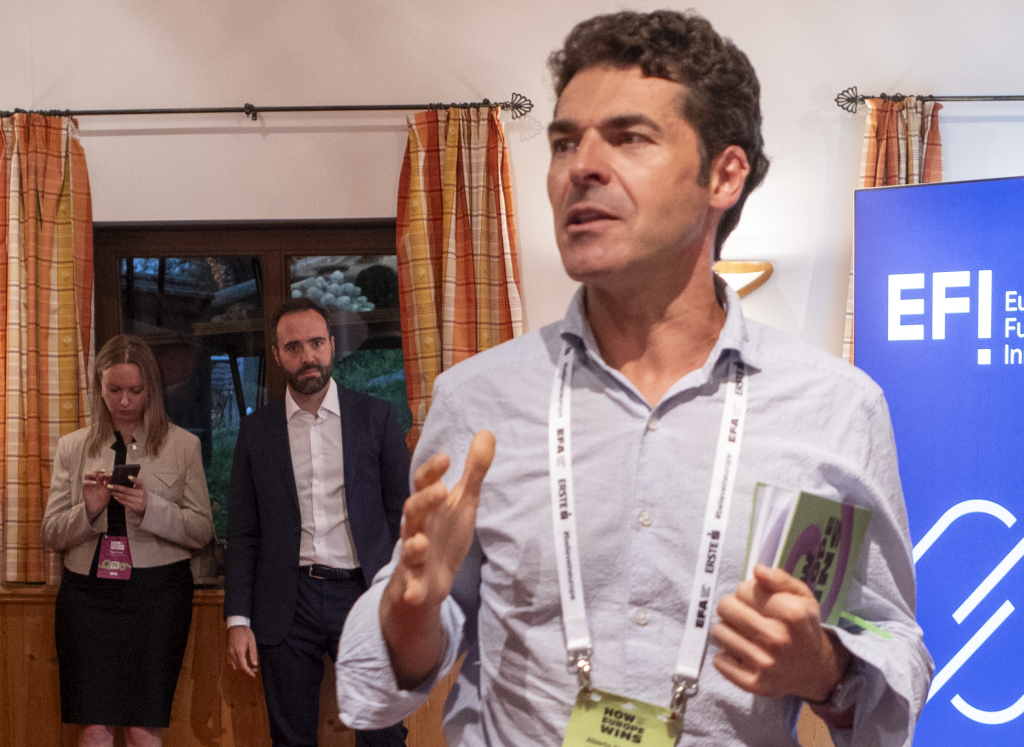
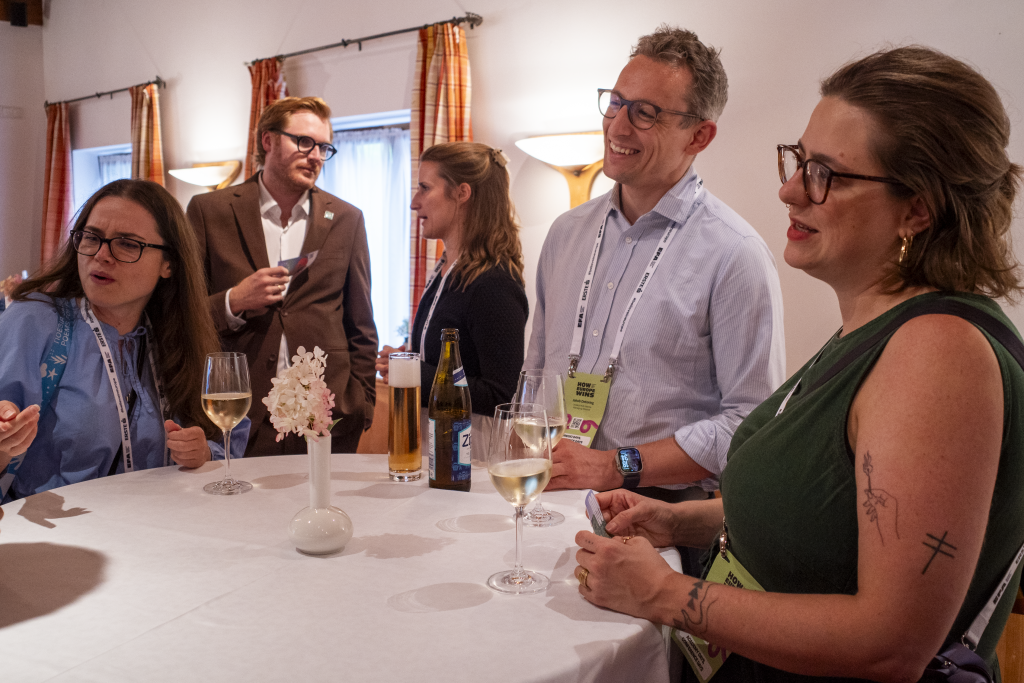
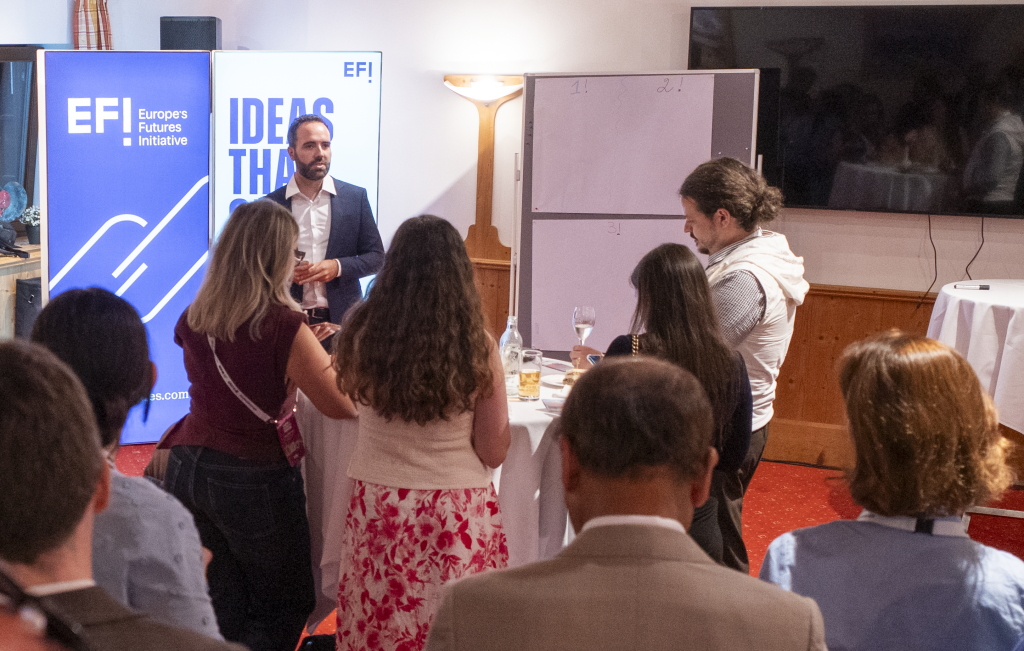
First stop: European Forum Alpbach – Networking for Pragmatic Idealists
We spent the end of August proving that taking Europe seriously and having a good time are not mutually exclusive.
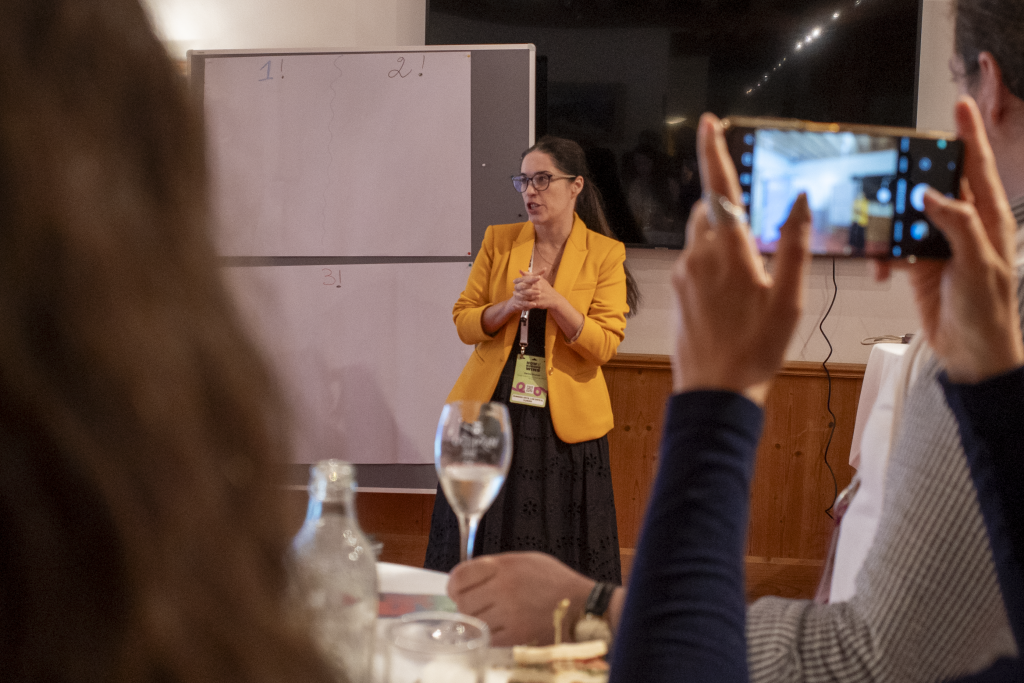
The European Tour started in Alpbach, Austria where we did what pragmatic idealists do best – argue in public. Inviting a mixed crowd of pro-Europeans to our Networking for Pragmatic Idealists, we put three of our members on the spot for them to pitch ideas for the future of Europe. Alberto Alemanno, Hanna Shelest, and Oksana Forostyna chose ideas connected to innovating European democracy and supporting Ukraine. All participants could express their support for one or several of their pitches. The audience ended up showing great interest in building Europeans’ capabilities to participate in European policy-making via established tools, such as the European Citizens’ Initiative.
Move Faster, Hope Louder!
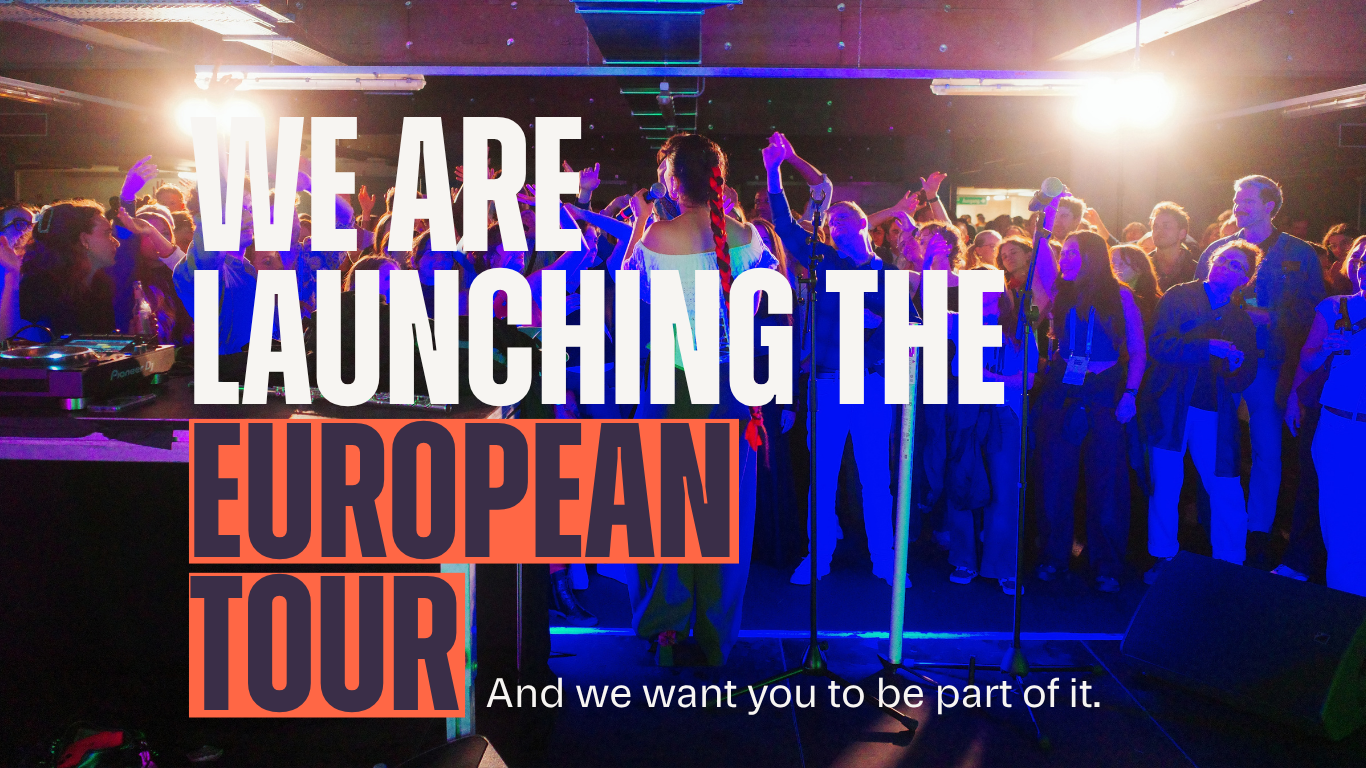
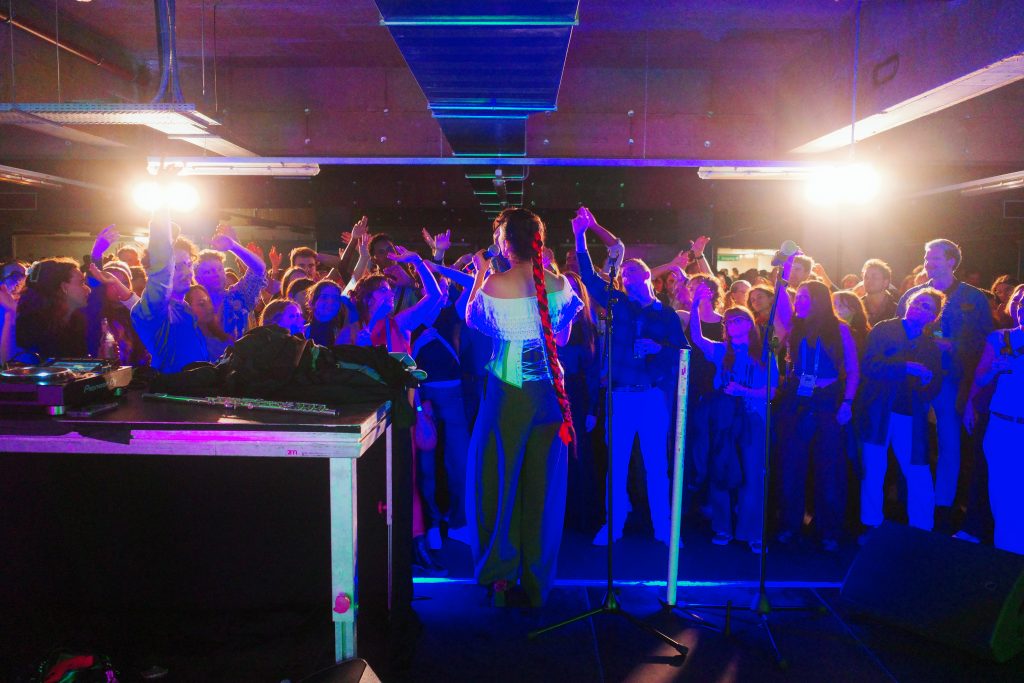
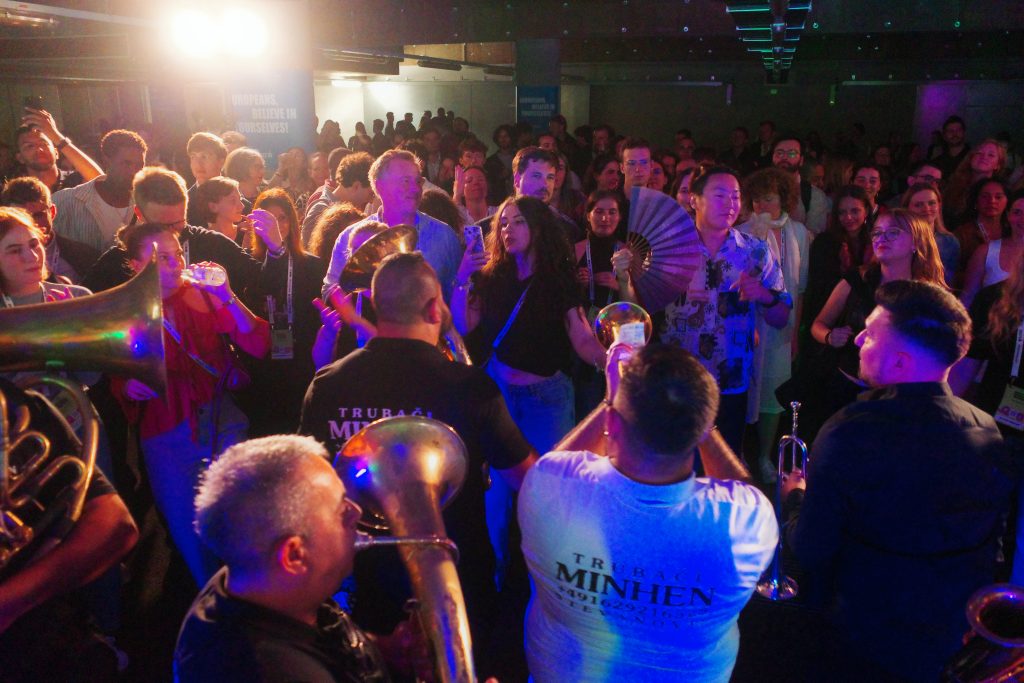
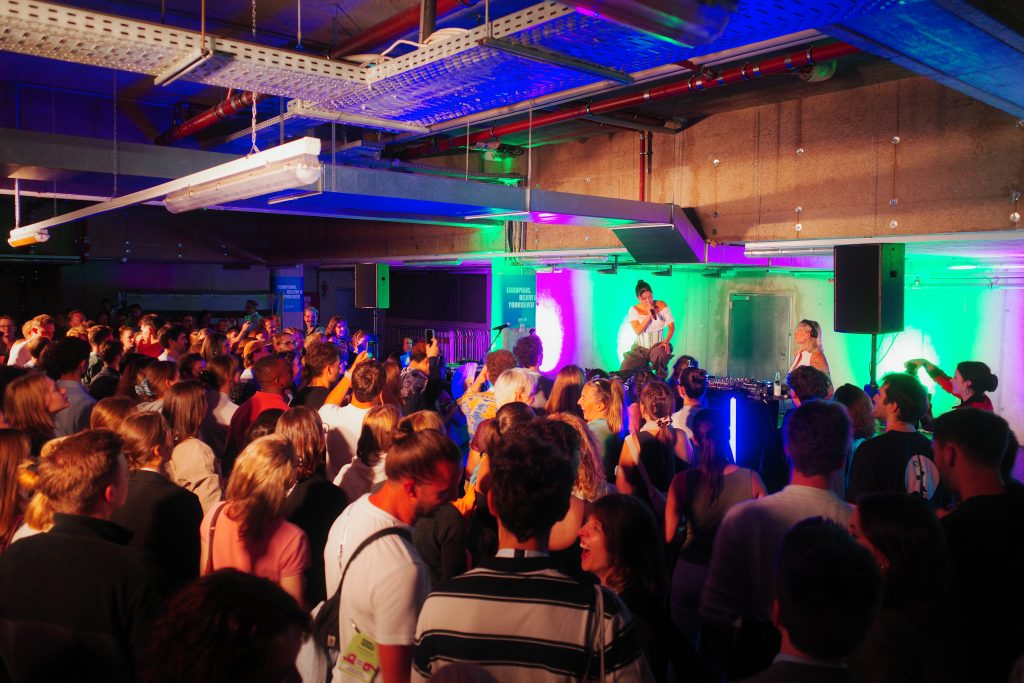
Then we turned up the volume in Alpbach: We invited to a concert open to all, and everyone loved it. On stage: the Balkans brass band Trubači Munich and Austrian-Mexican singer and flutist Tamara Flores, with DJ Anna Ullrich. People danced until 1 a.m. under the motto: “Move Faster, Hope Louder!” Because it is important to keep your spirits up when you are fighting a difficult fight.
Second Stop: Bled Strategic Forum
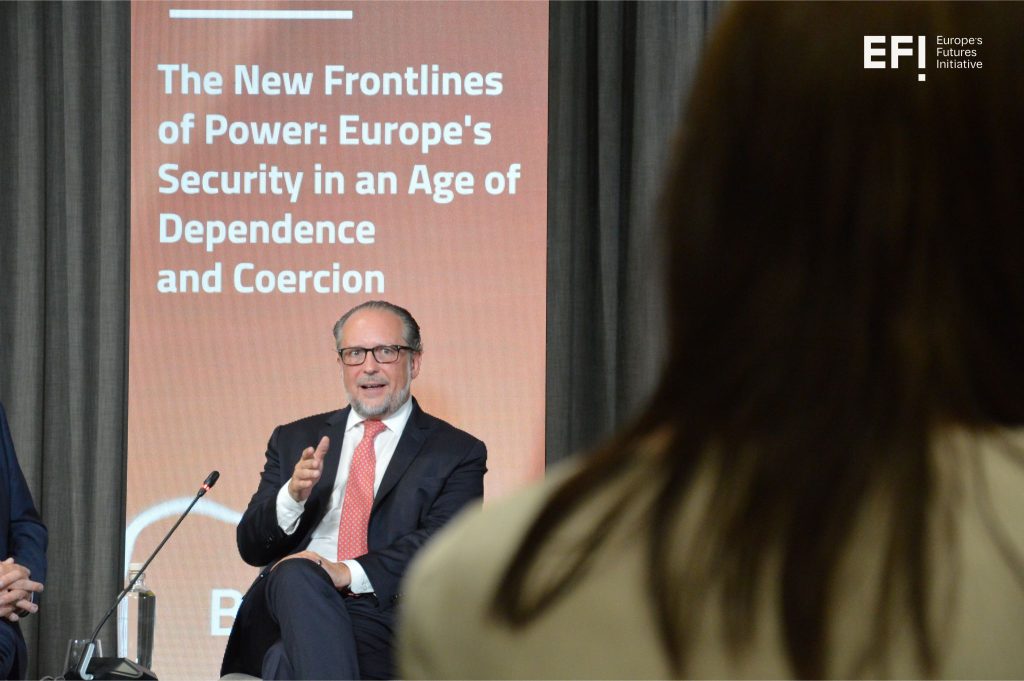
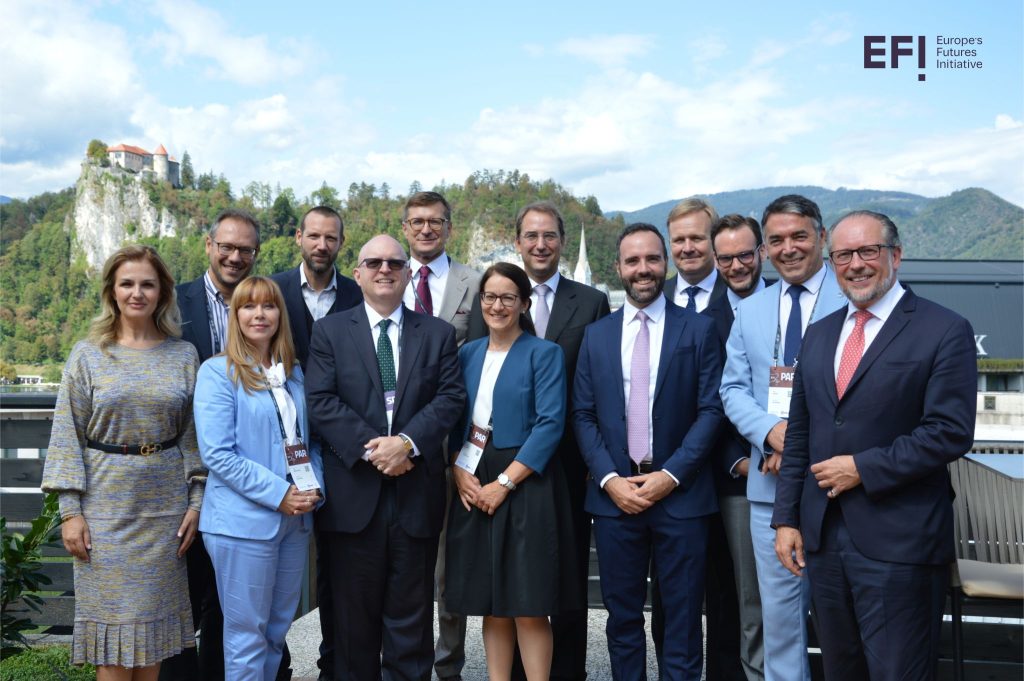
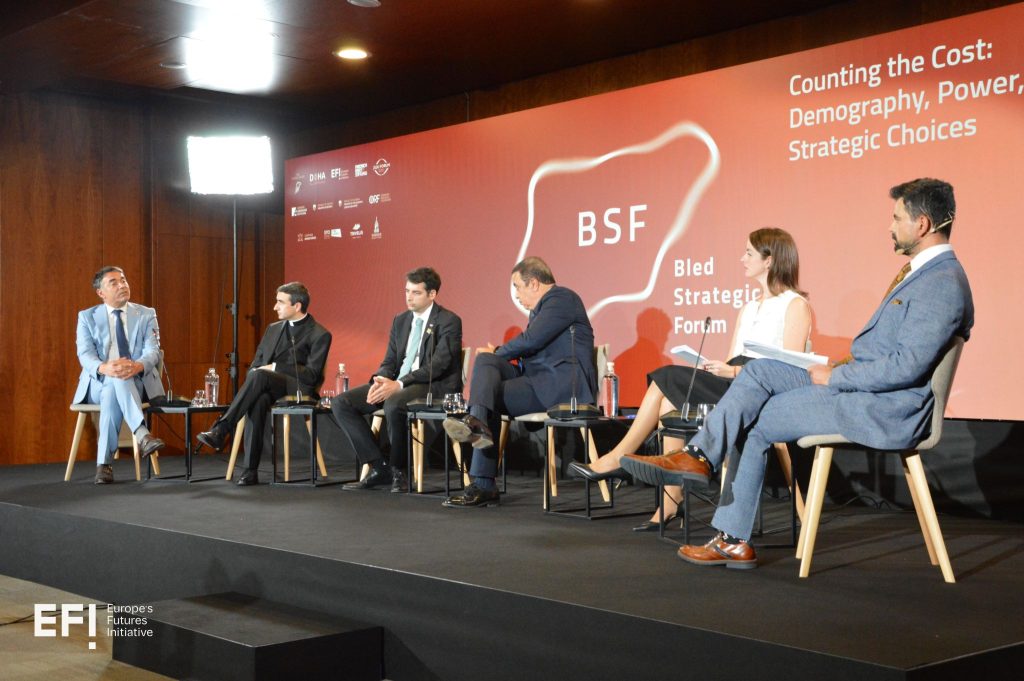
The tour continued in Bled, Slovenia, where EFI joined the 2026 Bled Strategic Forum as an institutional partner. EFI president Alexander Schallenberg joined a panel titled “The New Frontlines of Power: Europe’s Security in an Age of Dependence and Coercion,” while EFI member, and former Foreign Minister of North Macedonia, Nikola Dimitrov spoke on “Counting the Cost: Demography, Power, and Europe’s Strategic Choices” – two panels asking the same underlying question: What kind of continent Europe is choosing to become?
Together with our partners Think Europe, we also convened a closed-door working lunch on Western Balkans EU enlargement. The discussion explored gradual integration as both a pathway towards reform and a possible response to unanimity constraints in the Council; the EU’s growing focus on Albania and Montenegro as accession frontrunners; Iceland’s prospective referendum on resuming accession talks; and the changing US posture that is reshaping the region’s strategic environment.
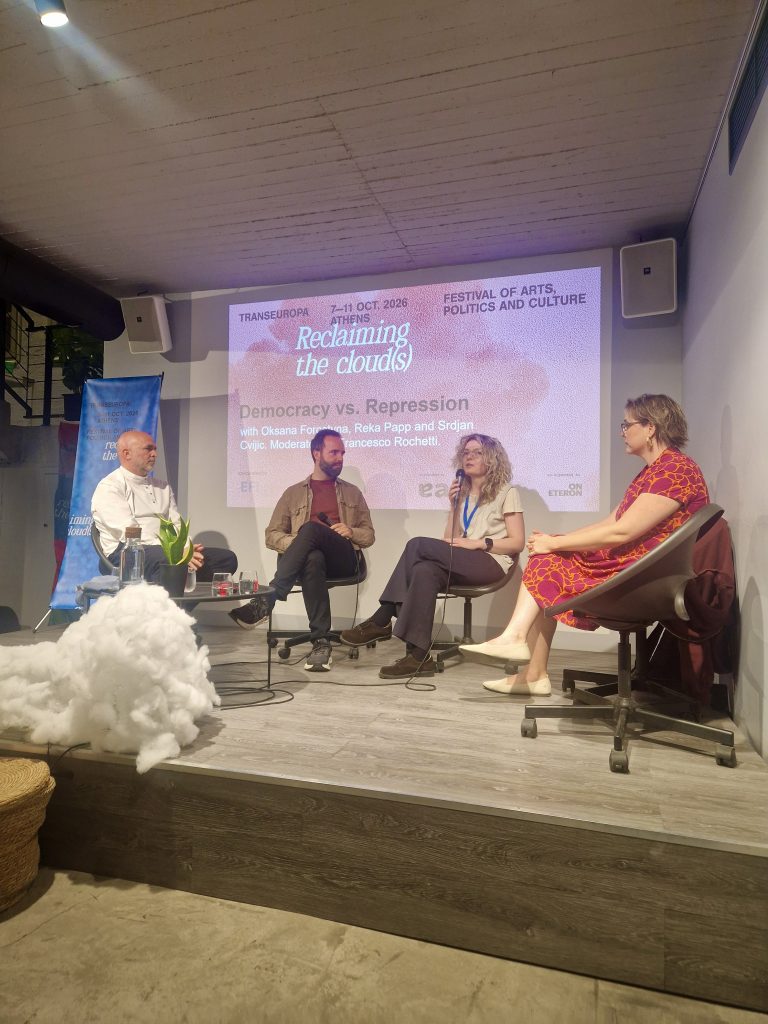
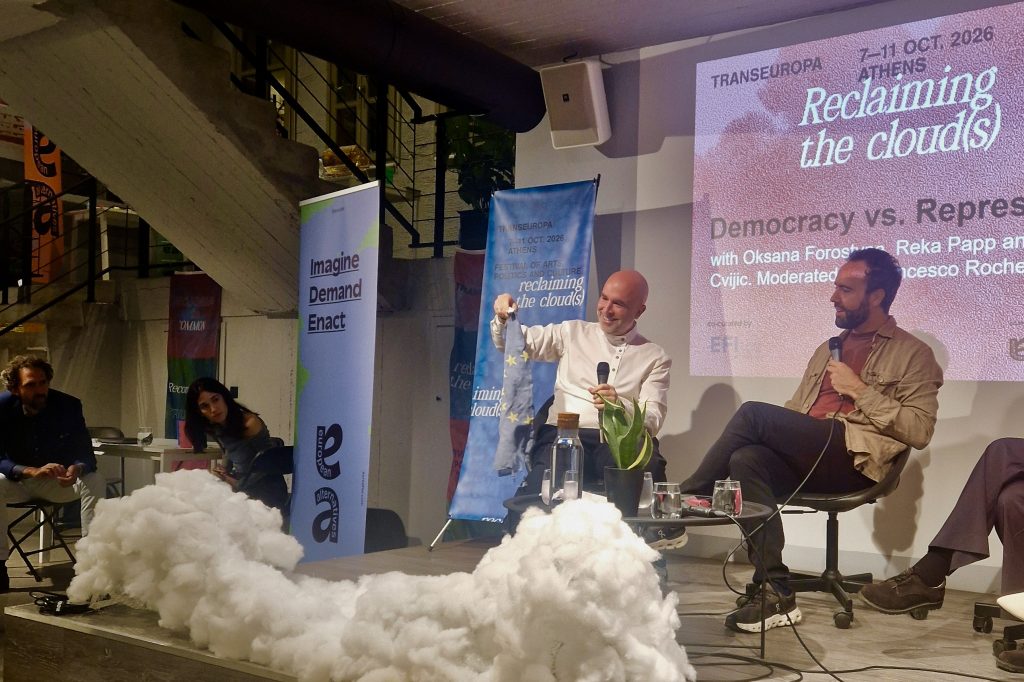
Fourth Stop: Athens, Transeuropa Festival
This year’s Transeuropa title Reclaiming the Cloud invited us to rethink air, digital space, and the commons as shared territories beyond borders. In a time marked by ecological crisis, misinformation, and increasingly securitised physical and digital frontiers, the festival explored how collective action, artistic practice, and transnational solidarity can reclaim these spaces for democracy.
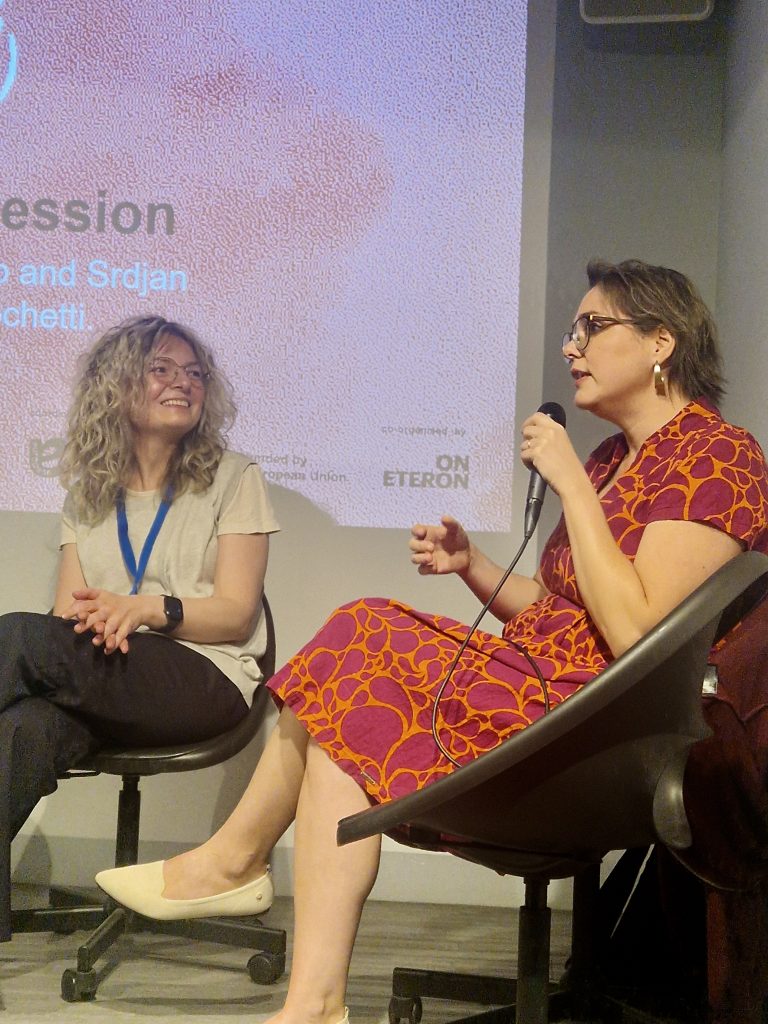
Here are some of the most memorable quotes from our debate on innovating democracy:
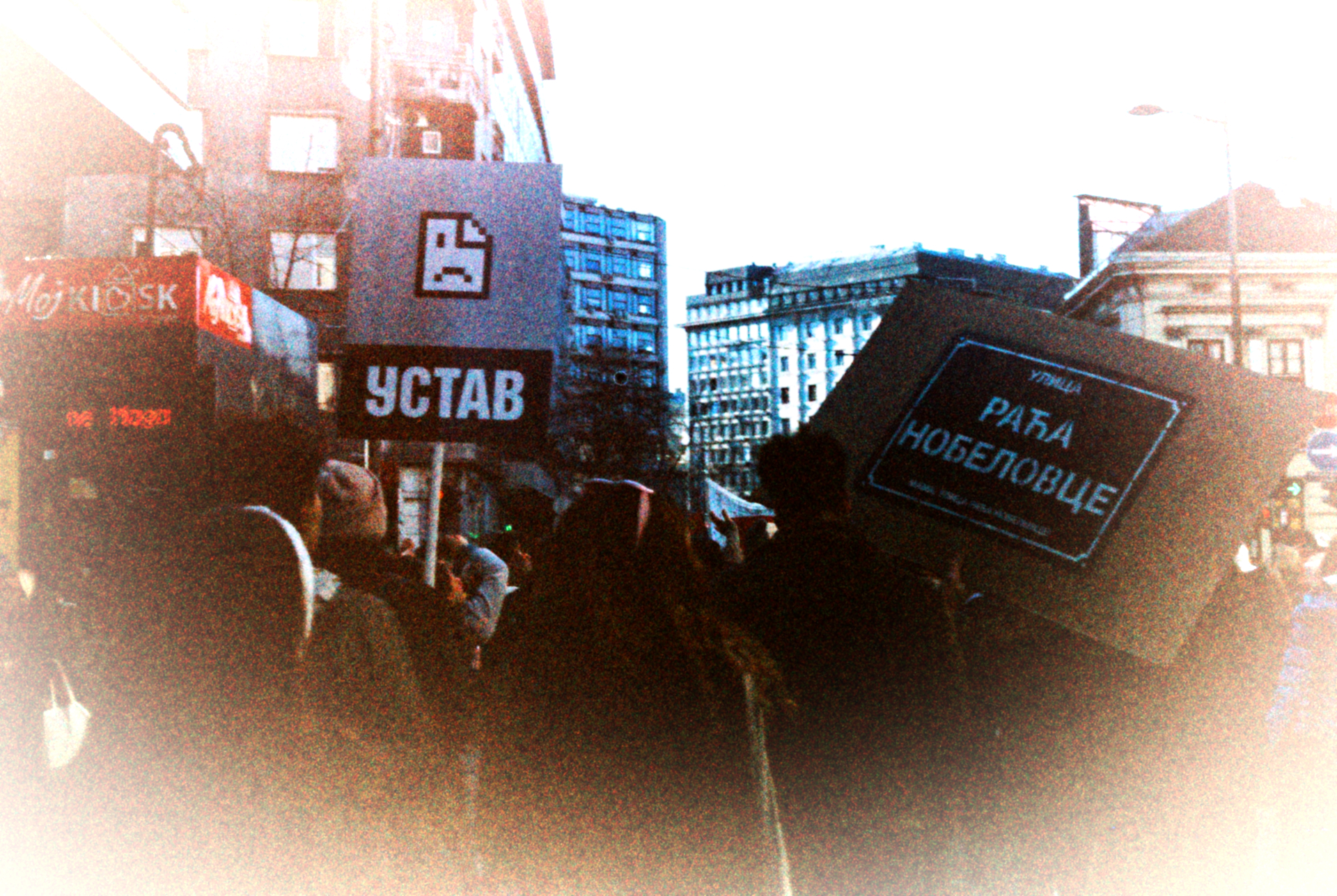
Srdjan Cvijić explaining the changed meaning of the EU for his home country Serbia and how he sees his idea of Europe represented in young people protesting in the streets of European cities:
“The European flag represented something remarkably simple to me: an escape from fascism and authoritarianism, and the madness that destroyed Yugoslavia. […] The EU did not prioritise democracy in Serbia it prioritised predictability. Vučić is predictable to Brussels. They have his phone number. He delivered on Kosovo, guarded the border and promised them our lithium, all while turning Serbia into an authoritarian hellhole. […] For me, the EU is no longer something that will bring democracy to my country. The Europe I believed in seems to be no longer represented in Brussels. And still I will never throw away this flag. Today, Europe is in the streets of Paris and Spain and Belgrade.”
Reka Papp about the new Hungarian government, lead by Peter Magyar.
“We will not know the nature of this new power before two or three years have passed. Not because we are too stupid, but because they themselves don’t know yet. The whole country basically needs to be overhauled. Anything they can make better is much welcome but will also not be enough. Orbán just needs to wait for the first crisis and that is then going to be the real test of political will.”
Oksana Forostyna on how democracy can be possible in a state of emergency in Ukraine:
“We will not have elections in the near future because it is simply not possible because of the war. But there are other ways to influence our authorities. Maidan is where we go when we are not happy with our government and even during the war we did that twice, both times more or less successfully. […] Our president is a populist, literally. He comes from showbiz. I am convinced that he won because he knew the Ukrainian people best. Even now, his day begins and ends with opinion polls and these polls have a lot of public support. So what the Ukrainian people think still matters to him.”
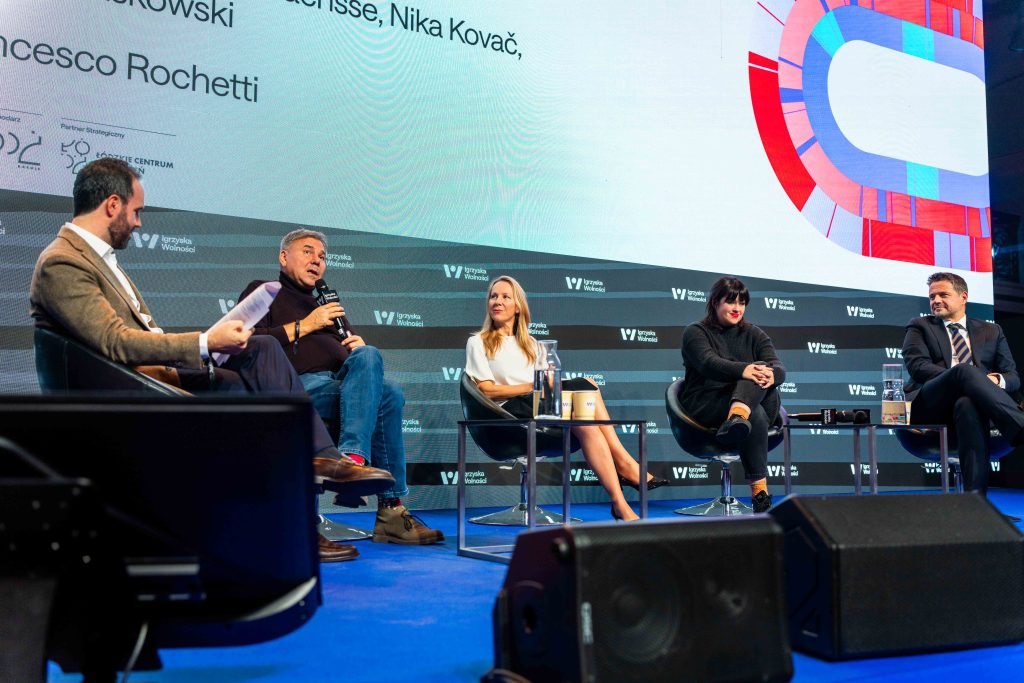
Fifth Stop: Łódź, Freedom Games
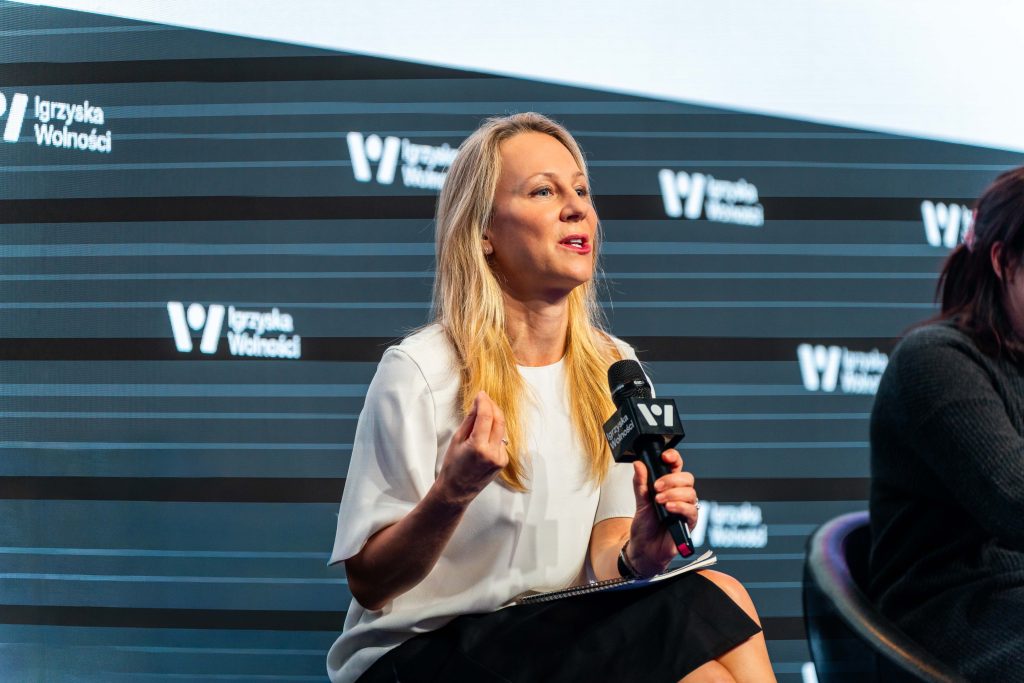
EFI organised a discussion at this year’s Freedom Games in Łódź. Political scientist and writer Ivan Krastev, EFI member Julia De Clerck-Sachsse, activist Nika Kovač, and former mayor of Warsaw, Rafał Trzaskowski discussed effective narratives against anti-democratic forces and foreign information warfare.